This content was aggregated from local dealer data and insights provided by the USA Today Network Automotive Insights team using Google Gemini and the Vehicles For Sale Near Akron - Beacon Journal Edition marketplace writing team.
Understanding 2027 Nissan Frontier Fuel Economy for Real-World Use
For truck owners in Cuyahoga Falls, Akron, and throughout Northeast Ohio, a truck like the 2027 Nissan Frontier is often more than just a vehicle; it's a tool for work and adventure. When considering a new Nissan Frontier, understanding its fuel consumption in various real-world scenarios is key to effective planning. Official EPA fuel-economy estimates provide a valuable baseline, but actual mileage can vary significantly based on how you use your truck, whether it's for highway travel, cargo hauling, trailer towing, or periods of idling.
Understanding 2027 Frontier EPA Fuel-Economy Ratings
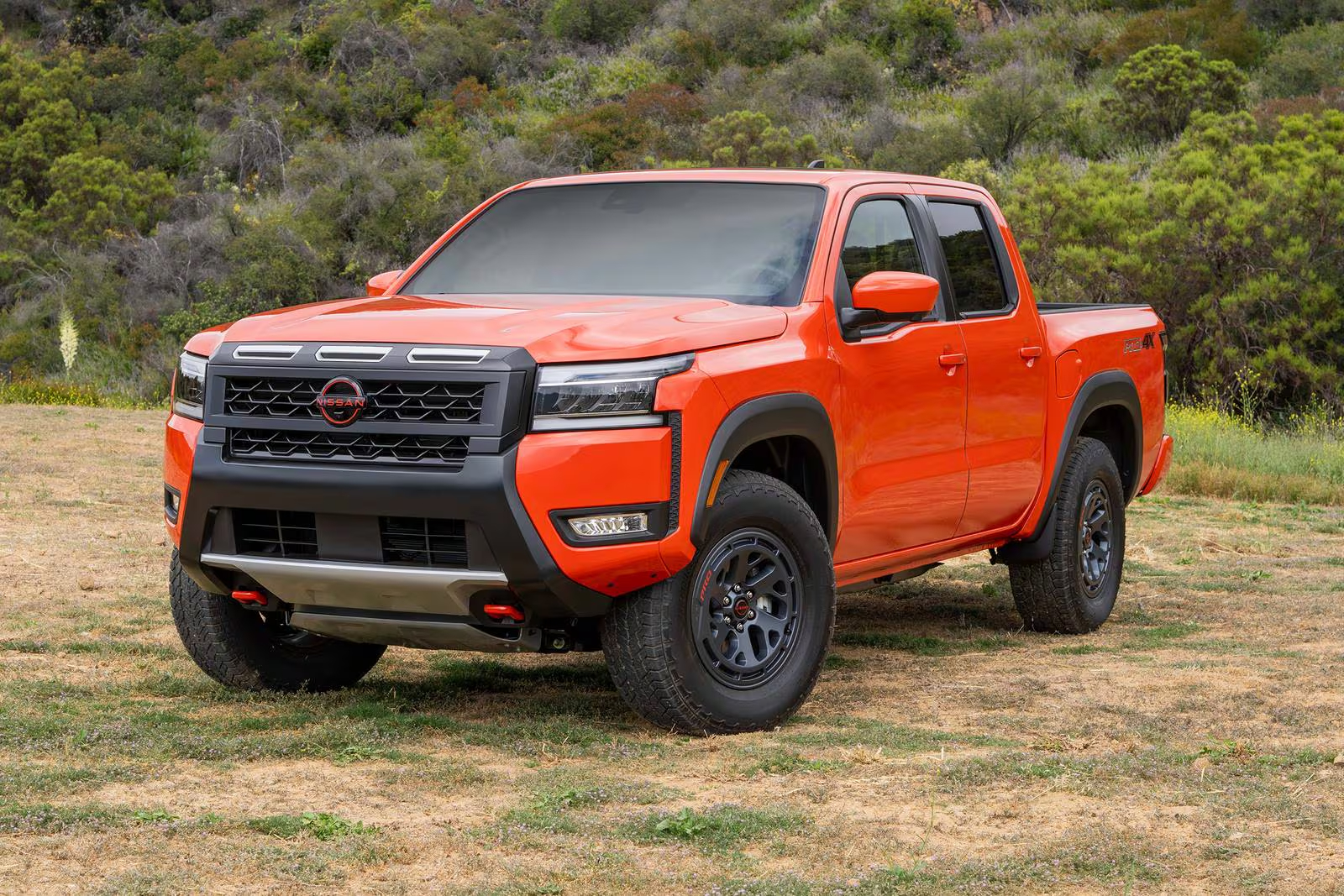
The 2027 Nissan Frontier is equipped with a robust 3.8-liter V6 engine paired with a nine-speed automatic transmission. The Environmental Protection Agency (EPA) provides ratings for different configurations to help buyers compare vehicles. These ratings are established under controlled test conditions and serve as a guide. For the 2027 Nissan Frontier, the EPA ratings are:
-
2WD models are rated at 19 MPG city, 24 MPG highway, and 21 MPG combined.
-
4WD models are rated at 17 MPG city, 21 MPG highway, and 19 MPG combined.
-
The 4WD PRO-4X model is rated at 16 MPG city, 20 MPG highway, and 18 MPG combined.
It's important to view these figures as comparison baselines rather than promises of exact mileage, as your actual 2027 Nissan Frontier fuel economy will depend on many factors.
Why Highway Driving and Work Use Produce Different Results
The EPA highway MPG rating reflects driving under specific, steady conditions. However, your daily routine with a new Nissan Frontier often involves a mix of activities that can affect fuel consumption. When your truck alternates between unloaded highway travel, hauling cargo, towing trailers, and idling, you should expect fuel consumption to change with the vehicle's workload. Driving with a heavy load or against strong winds requires more power, which in turn uses more fuel. Similarly, frequent acceleration and braking in city traffic will consume more fuel than steady highway cruising.
Planning Fuel Stops When Towing
Trailer towing is a significant factor that impacts your Nissan Frontier MPG. When you hitch up a trailer, your truck works harder to move the combined weight, leading to increased fuel consumption. The 2027 Frontier's towing capacity varies by configuration, so it's essential to match the exact truck to the expected loaded trailer weight. Additionally, consider the weight of passengers and cargo inside the truck, as these also contribute to the overall load. Nissan and EPA ratings do not establish one universal towing fuel figure, so it is best to anticipate lower fuel efficiency when towing and plan your fuel stops accordingly.
How Cargo and Idling Fit Into Fuel Planning
The weight of cargo carried in the bed or cab of your Nissan Frontier directly affects fuel use. The heavier the load, the more fuel the engine needs to maintain speed. Beyond driven miles, periods of idling also consume fuel. While stationary idling does not add to your odometer reading, the engine is still running and using gasoline. For owners whose routines regularly include stationary operation, such as waiting at a job site or in a drive-thru, this idle time is worth considering when planning your overall fuel needs.
Choosing a Frontier Configuration for Your Routine
Developing realistic fuel expectations for your 2027 Nissan Frontier means considering how frequently your truck will tow, haul, idle, or travel unloaded on the highway. If you regularly tow heavy loads, a 4WD configuration might be necessary for capability, but you should factor in its slightly lower EPA MPG rating. If most of your driving is unloaded highway travel, a 2WD model could offer better fuel efficiency. Understanding your typical use cases will help you make an informed decision and prepare for your actual Frontier towing fuel use and daily driving costs.
To see the impressive capability of the new Nissan Frontier and discuss which configuration best suits your needs, visit Ron Marhofer Nissan in Cuyahoga Falls, Ohio. Our team is ready to help you find the perfect truck for your adventures and work around Akron and the surrounding areas.
Frequently Asked Questions
What are the EPA fuel-economy ratings for the 2027 Nissan Frontier?
The 2027 Nissan Frontier 2WD is rated at 19 MPG city, 24 MPG highway, and 21 MPG combined. The 4WD model is rated at 17 MPG city, 21 MPG highway, and 19 MPG combined, while the 4WD PRO-4X is rated at 16 MPG city, 20 MPG highway, and 18 MPG combined.
Should I expect the highway MPG rating while towing a trailer?
No, you should not expect to achieve the EPA highway MPG rating while towing a trailer. Towing significantly increases the workload on the engine, which leads to higher fuel consumption. Fuel efficiency will be lower when towing, and planning for more frequent fuel stops is advisable.
How can frequent idling affect overall fuel planning?
Frequent idling consumes fuel even though the vehicle is not moving. While it doesn't add miles to your odometer, the engine is still actively burning gasoline. If your routine includes regular periods of stationary idling, this should be factored into your overall fuel budget and planning for your Nissan Frontier.
Written for Ron Marhofer Nissan
By the USA TODAY Network Automotive Insights Team, in collaboration with https://vehiclesforsalenearakron.com and the Vehicles For Sale Near Akron - Beacon Journal Edition.
Disclaimer: This article's content is intended for informational purposes only. Vehicle specifications and features are based on data provided by J.D. Power and local dealerships and may vary by individual vehicle, VIN, trim, configuration, packages, and optional equipment. Vehicle images may not depict the exact model, trim, features, packages, accessories, or specifications described. Vehicle pricing, availability, features, and specifications are subject to change without notice. Please reference the dealership's vehicle listing and window sticker or consult the dealership directly for complete and accurate details.